Service entrances at hotels, loading doors at warehouses, bay doors at shops and the parking-garage gates under office buildings keep a lot of Irving working. When one stops, we repair the door and its operator, with a free estimate sent to whoever approves the work.
Tell us what the door is doing. The estimate is free either way.
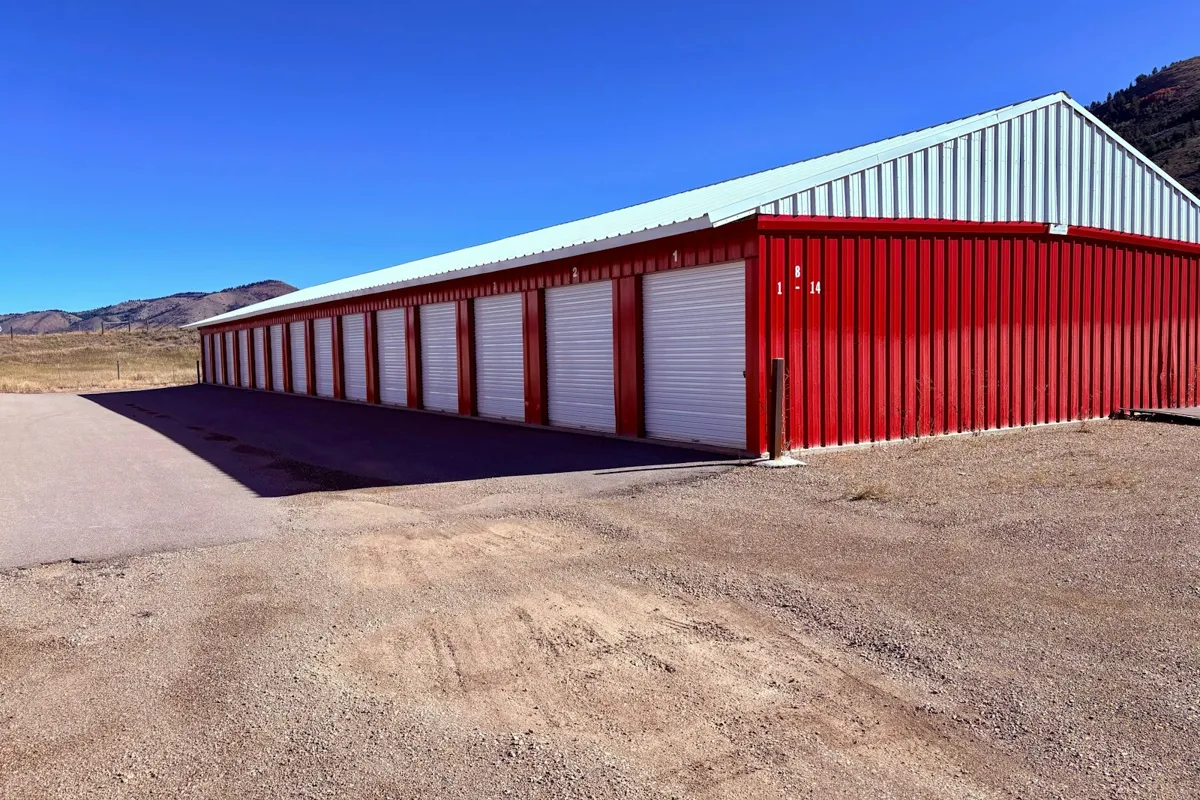
Most commercial calls involve one of a few door styles. Overhead sectional doors with insulated or plain steel panels serve shop bays, back-of-house entrances and docks. Rolling steel doors, wound onto a barrel above the opening, close warehouses, mailrooms and service counters. Light roll-up doors line storage facilities, and rolling grilles guard storefronts and parking entrances.
Who calls varies as much: a facility manager with a list, a tenant whose bay door won't budge, a hotel's engineering staff, a property manager covering several buildings. The estimate goes to the person you name, and nothing is touched until they approve it.
A loading door facing the afternoon sun spends the summer baking. The rubber along the bottom and the jambs shrinks and cracks, letting in dust, insects and hot air. Lubricant thins and runs off the rollers and hinges, and a door that's run dry grinds its rollers flat and pulls its hinges loose.
Operators work harder in that heat, and on a door that's also out of balance, the motor can trip its overload in the middle of the afternoon rush. Fresh seals, rollers with sealed bearings and a door balanced to its real weight take most of that strain off before it turns into a breakdown.
Trucks and forklifts are the other big source of calls. A trailer backed in at an angle, a pallet jack rolled into the bottom panel, or a lift with its mast too high leaves a creased section or a kinked track, and the door starts sticking at that same spot every time it runs. A damaged panel is generally swapped by itself, and the track is trued or replaced so the door stops catching.
Springs wear out on a schedule set by how often the door runs. A door that cycles all day goes through standard springs quickly, and high-cycle springs matched to the door's weight last far longer. Frayed cables and cracked hinges along the panel joints get replaced on the same visit.
The motor on a commercial door is a heavier machine than anything in a home garage. Some ride a rail like a home opener, some sit at the side of the door and turn its shaft directly, and some have a hand chain for running the door during an outage. Most answer to a wall station with open, close and stop buttons.
What keeps a closing door from striking someone is the sensing edge along the bottom and the photo eyes across the opening. When either one stops reporting, or the travel limits creep, the door reverses for no clear reason or quits short of the floor. Both are tried on every visit, and a door still raised by hand can usually be given a motor.
Office towers and hotels often have a rolling door or a grille at the parking entrance and another at the service dock, and both run far more often than any home door. Parking-entrance doors are usually tied to card readers, loop detectors in the pavement or remote transmitters, so a door that won't open for one car but opens for the next can be a reader or a sensor problem rather than the door itself.
We work on the door, its operator and the safety devices, and check the signal coming from the access equipment so you know which side the fault is on. Where the access control system itself has failed, that belongs to whoever installed and maintains it, and you'll be told plainly so the right people are called.
Spring storms bring hail dents, wind that pushes wide doors out of their tracks, and power cuts that leave operators confused about where the door is. After an outage, an operator that won't run, or runs the wrong way, often needs its limits reset rather than new parts.
A door or grille that can't be closed at the end of the day is handled first. The opening is secured even if a part has to be ordered for the full repair, so the building isn't left open overnight. Routine work is scheduled around business hours.
Built around the way properties here actually make decisions.
Rolling steel doors carry their springs inside the barrel above the opening, and when the tension fades the door gets heavy by hand and sluggish on the operator. A curtain dragged out of its guides chews up its edge slats, which can be replaced a few at a time once the guides are straightened.
Rolling grilles at storefronts and parking entrances fail at the lock and the guides, and storage facilities fill a list with curtains off track, latches that won't catch and springs that have gone soft. Several units or several grilles can be handled on one trip, each noted on the estimate.
Whoever you name. The estimate is sent to that person, and no work starts until they approve it.
Yes. Rolling steel doors, rolling grilles, roll-up storage doors and overhead sectional doors are all commercial work we handle.
Usually not. Damaged panels and bent tracks can be replaced individually. Keep the door closed and clear until it's been looked at.
Operators sometimes lose their limit settings or trip a safety circuit in an outage. Resetting and testing them is often the whole repair.
Yes. Routine repairs are scheduled when they disrupt least. A door that can't be secured is treated as urgent.
Not always. A card reader, a loop in the pavement or a remote can be the cause. The door and operator are tested, and the signal from the access equipment is checked to find which side has failed.
In most cases, yes, once the door itself is balanced and running freely.
Yes. The door and operator are looked at, and a free estimate goes to the approver before any work.
We give a two-hour window rather than a day, and we call before setting off. Free throughout Dallas County. The estimate is free either way.
Would rather call? Call (972) 597-8723.
Tell us what the door is doing. The estimate is free either way.